




Wir senken Ihre Frachtkosten zu 100% auf Erfolgsbasis.
Maßgeschneiderte Logistik- und Frachtkostenoptimierung bei gleichbleibender oder gesteigerter Qualität für mehr Kostentransparenz.

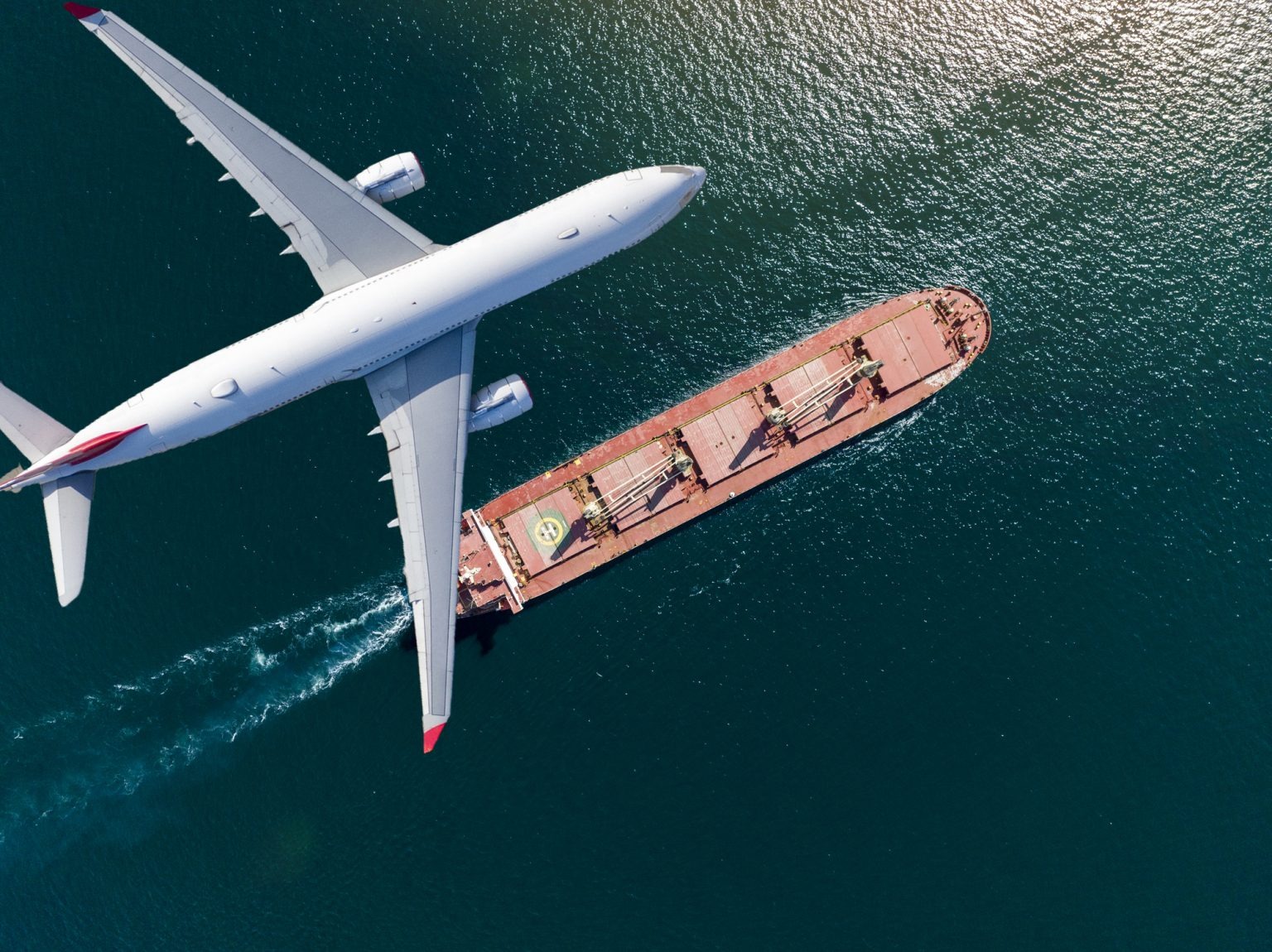
16.5% Frachtkosten senken
Unsere 40 erfahrenen Fachexperten verschiedener Logistikfachbereiche optimieren Ihre Frachtkosten zu 100 % auf Erfolgsbasis. Dabei erzielen sie im Durchschnitt 16,5 % Kosteneinsparungen, welche somit 1:1 zum Gewinnwachstum für unsere Kunden beitragen.
Experten für Logistikoptimierung
- Stückgut / LTL / FTL
- Sonderfahrten / KEP
- See- und Luftfracht
- Lager- und Intralogistik
Excellent as BEST CONSULTANTS - 10th time in a row
Jetzt Frachtkosten senken
Die Logistikexperten auf einen Blick
KLOEPFEL by EPSA - consulting: Einkaufsoptimierung seit 2007
Einkaufsoptimierung zu 100% auf Erfolgsbasis
Die vielfach ausgezeichnete Einkaufsberatung Kloepfel Consulting wurde 2007 gegründet. Heute ist sie mit über 5.000 Optimierungsprojekten zur Kloepfel Group herangewachsen. Gemeinsam mit dem Mutterkonzern EPSA Group bildet Kloepfel mit über 3.500 einkaufserfahrenen Mitarbeitern und einem Umsatz von 600 Mio. Euro die größte auf Einkauf- und Lieferkettenmanagement spezialisierte Beratungsgruppe im paneuropäischen Raum.
- 2007 gegründet
- Über 5.000 Optimierungsprojekte
- Über 3.500 einkaufserfahrene Mitarbeiter, gemeinsam mit Mutterkonzern EPSA
- Umsatz von 600 Mio. Euro gemeinsam mit Mutterkonzern EPSA Group
Now one-pager "Kompetenz in der Logistikoptimierung" herunterladen

Interview
- 2:00 Min
Frachtkosten Potenzialanalyse
Why is a freight cost potential analysis important?
Within the scope of the potential analysis, we provide the customer with a neutral compass. The aim is to give the customer clear guidance that enables them to make sound decisions about potential optimisations and savings in the area of freight costs. On average, they achieve 16.5 % cost savings, which therefore contribute 1:1 to profit growth.
What savings are possible?
On average, projects achieve savings of approximately 16.5 %. The results vary by area, with savings in road transport roughly matching this average. In the volatile sea freight sector, savings can also be over 20 %.
What does it mean to reduce freight costs on a success basis?
Companies only pay us a fee if actual savings in freight costs are achieved. This model builds our confidence in the effectiveness of the measures derived from the potential analysis. In many projects, our conservative, realistic analysis results are even surpassed.
When should one conduct a freight cost potential analysis?
A freight cost potential analysis should be carried out as early as possible. The sooner potentials are identified, the sooner they can be realised. This is particularly relevant in the classic general cargo sector, which is found in almost every company. Annual contracts are often concluded here, which means that early savings over the period of one year lead to financial benefits.
How is the data collected for the analysis?
We are adopting a lean approach to gather the necessary data, primarily communicating with the responsible individuals within the business area being analysed. This typically includes the purchasing manager and/or the logistics manager. It is important to note the confidentiality maintained through Non-Disclosure Agreements (NDAs). This means we do not exchange information with suppliers without the customer's consent. The data collected includes classic information such as rates, sample invoices, and a creditors list. This process is deliberately designed to be efficient, enabling a quick and effective analysis while conserving the customer's resources.
How long does such a potential analysis take?
Data collection for the areas to be analysed comes first. Sometimes the required data can be procured within a few hours. In other cases, it may take a few days, especially if the queries are complex or if the client has initially supplied incomplete data that needs to be updated or supplemented. Generally, we allow approximately one week for data collection, especially for larger projects. Including the time for analysis and recommendations, the entire process can take around two to three weeks, depending on the availability of those involved and the data.
Welche spezifischen Tools setzt Kloepfel Consulting ein, um Einsparungen zu identifizieren?
The collection of data for the potential analysis is carried out in close cooperation with the companies, taking into account the specifications and needs of the respective project. To carry out a robust analysis, we rely on specific tools.
Firstly, we use the tendering tool TI Contract from Transporeon. This tendering tool allows for immense reach when tendering transport services. This enables us to obtain many bids quickly and draw benchmarks for potential analysis from them.
In the sea and air freight sector, we use an expensive external benchmark tool called Xeneta. This instrument is specifically designed for these modes of transport. Its specialisation and up-to-date nature in the volatile transport environment make it a valuable tool for identifying savings potential. It allows us to draw precise and period-consistent benchmarks. Customers benefit from the benchmarks generated by this tool without having to bear its high costs themselves.
While we procure long-term rates with an average validity of one year in the road and parcel, courier and express parcel (CEP) sectors, we consider short-term price benchmarks for sea and air freight due to the volatile market with Xeneta.
We also benefit from our extensive data pool, which is fed by the experiences of around 50 projects annually. This data pool enables us to create up-to-date and relevant benchmarks for road, sea, and air freight, as well as for courier, express, and parcel services.
The timeliness and scope of the data are crucial for identifying relevant and reliable saving potentials.
How does communication and collaboration with clients work during the analysis phase?
Communication and collaboration with companies during the analysis occur in close coordination and are completely transparent. As a rule, collaboration is very cooperative and constructive, as all parties benefit from the analysis. Fundamentally, during the analyses, we aim to conserve the client's resources as much as possible.
In what way are the results of the potential analysis presented, and how detailed and reliable are they?
The results of the potential analysis are presented via a very detailed PowerPoint presentation. This presentation visually derives the figures and enables companies to understand precisely how the benchmarks have been arrived at. The results are derived with great precision; for example, Euros per kilometre are used as benchmarks for complete lorries, and Euros per pallet for general cargo. We generally proceed conservatively, but realistically.
What are the typical client reactions when the results are presented to them?
Customers' typical reactions to the results presented vary. Some customers immediately confirm the results because they align with their own hunches. The range extends from immediate acceptance and the desire to implement the recommended measures as quickly as possible, to critical questioning, which is also important.
Ultimately, we can bring everyone on board, as we can explain objective benchmarks and clearly derive suitable measures. This way, we not only identify potential savings but also motivate everyone to realise them.
Welche Schritte empfiehlt Kloepfel Consulting Unternehmen nach der Analyse zur Implementierung der Ergebnisse?
Following the analysis, we recommend that our clients proceed with the project to realise the identified savings potential. We typically work on a success-oriented basis. The implementation of these recommendations is carried out through close collaboration in the various phases of the project, including tenders and negotiations with service providers. Furthermore, the potential analysis demonstrates our capabilities and working methods, thereby earning the client's trust.
How is project success secured in the long term?
Project success is secured in the long term by working closely with the company over a period of, on average, two years to make continuous adjustments and optimisations. This includes responding to market changes, making adjustments in case of any issues with service providers, and conducting re-tenders after one year. This continuous support and the success-dependent model, where Kloepfel Consulting participates in the savings, ensures that the improvements and savings achieved are sustained in the long term.
Frachtkosten – Case Study
Im Rahmen eines Projektes zur Frachtkostenoptimierung zusammen mit Kloepfel Consulting konnte ein international agierender Maschinenbauer sehr hohe Einsparungen erzielen. Bei dem Projekt wurden die Themen Luftfracht, Seefracht und Kurier-Express-Paketdienste (KEP) bearbeitet.
Luftfracht: 41,7 % Cost savings
Im Rahmen des Projektes mit den Kloepfel-Beratern kann der Maschinenbauer nun im Vergleich zu vorher 41,7 % Kosteneinsparungen pro Jahr verbuchen.
Das Unternehmen arbeitet jetzt durchgehend mit drei Logistikdienstleistern zusammen. Dazu kommt ein Pool an Dienstleistern für Ad-Hoc-Ausschreibungen.
Seefracht: 32,8 % Cost savings
Auch für die Seefracht konnten überdurchschnittliche Einsparungen erzielt werden. Hier liegen die jährlichen Kosteneinsparungen bei 32,8 %.
Kurier-Express-Paketdienste (KEP): 41,7 % Cost savings
47,2 % Kosteneinsparungen konnten für die KEP-Dienstleistungen erreicht werden. Für den KEP-Bereich arbeitet der Maschinenbauer jetzt mit nur einem Re-Seller zusammen. In dessen Auftrag erfolgt die operative Abwicklung durch führende KEP-Dienstleister wie etwa DHL Express und UPS
Jetzt Case Study "Maschinenbauer" Download.
Logistik Tools -
Best in Class
Nutzung von Logistischen Best in Class Tools
- z.B. marktführendes Ausschreibungstool mit über 60.000 registrierten Dienstleistern
- Marktführendes Benchmark-Tool für See- und Luftfrachten
- Tool für Netzwerk- und „Center-of-Gravity“- Simulationen
- Tool für Rechnungsprüfung
Profitieren Sie von kundenübergreifenden Synergien
- Bündelung von Einkaufsvolumina
- Über 50 Logistikmandate pro Jahr (branchenübergreifend)
- Parent-Accounts & Reseller-Ansätze
- Benchmarks aus über 2.000 Projekten
Customer testimonials
Freight cost optimisation

„Wir waren von der Qualität der Arbeit und Herangehensweise von KLOEPFEL beeindruckt. Sie haben eine exzellente Entscheidungsgrundlage geschaffen und uns aktiv und fachkundig bei der Entscheidungsfindung beraten. Im Ergebnis hat uns sehr erfreut, dass die anfängliche projektierten Einsparziele sogar deutlich übertroffen werden konnten.“

„Durch die Sorgfalt Ihrer Beratungsleistung kamen wir zur Überzeugung, den richtigen Partner für das Projekt beauftragt zu haben. Sie haben uns fachkundig beraten und dabei unsere Anforderungen zu keinem Zeitpunkt außer Acht gelassen. Das ursprünglich durch Sie kommunizierte Einsparziel konnte deutlich übertroffen werden.“

„Neben der Tatsache, dass das prognostizierte Einsparpotenzial sogar übertroffen wurde, ist die sehr gute Atmosphäre sowie partnerschaftliche Kommunikation auf Augenhöhe sehr erwähnenswert genauso wie die umsetzungsorientierte Bearbeitung“.
Frachtkosten jetzt senken