




We reduce your freight costs to 100%% on a success basis.
Bespoke logistics and freight cost optimisation with consistent or increased quality for greater cost transparency.

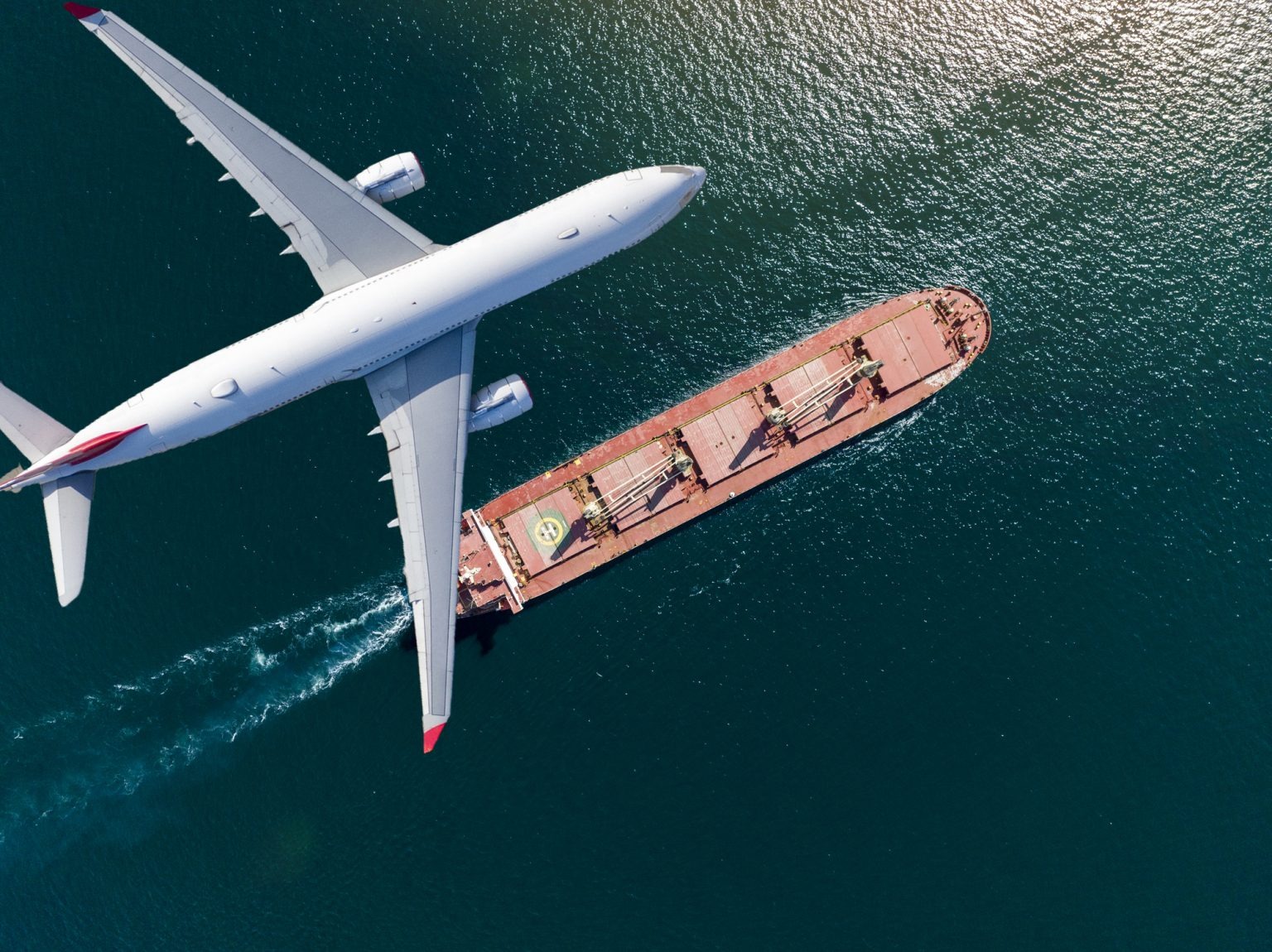
16.5% Reduce freight costs
Our 40 experienced specialists from various logistics sectors optimise your freight costs to 100 % on a success-fee basis. In doing so, they achieve average cost savings of 16.5 %, which therefore contribute 1:1 to profit growth for our customers.
Logistics optimisation experts
- Part load / LTL / FTL
- Special trips / Parcel, Express and Courier
- Sea and air freight
- Warehouse and intralogistics
Excellent as BEST CONSULTANTS - 10th time in a row
Lower freight costs now
Logistics experts at a glance
KLOEPFEL by EPSA - consulting: Purchasing optimisation since 2007
Einkaufsoptimierung zu 100% auf Erfolgsbasis
The multi-award-winning purchasing consultancy Kloepfel Consulting was founded in 2007. Today, with over 5,000 optimisation projects, it has grown into the Kloepfel Group. Together with the parent company EPSA Group, Kloepfel forms the largest consultancy group in the pan-European region specialised in procurement and supply chain management, with over 3,500 employees experienced in purchasing and a turnover of 600 million euros.
- Founded in 2007
- Over 5,000 optimisation projects
- Over 3,500 employees with purchasing experience, together with parent company EPSA
- Revenue of €600 million together with parent company EPSA Group
Now one-pager "Expertise in logistics optimisation" Download
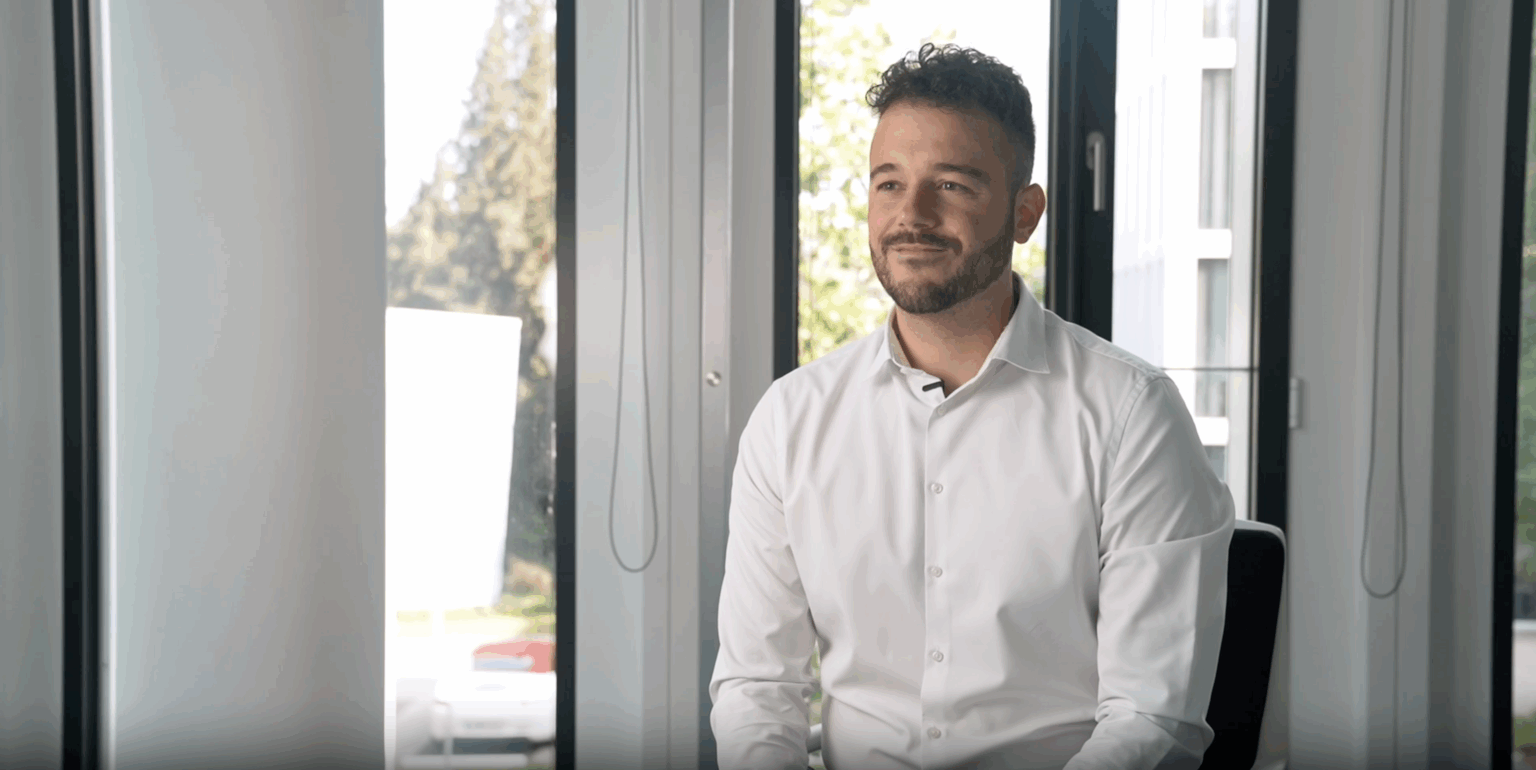
Interview
- 2:00 Minutes
Freight Cost Potential Analysis
Why is a freight cost potential analysis important?
Within the scope of the potential analysis, we provide the customer with a neutral compass. The aim is to give the customer clear guidance that enables them to make sound decisions about potential optimisations and savings in the area of freight costs. On average, they achieve 16.5 % cost savings, which therefore contribute 1:1 to profit growth.
What savings are possible?
On average, projects achieve savings of approximately 16.5 %. The results vary by area, with savings in road transport roughly matching this average. In the volatile sea freight sector, savings can also be over 20 %.
What does it mean to reduce freight costs on a success basis?
Companies only pay us a fee if actual savings in freight costs are achieved. This model builds our confidence in the effectiveness of the measures derived from the potential analysis. In many projects, our conservative, realistic analysis results are even surpassed.
When should one conduct a freight cost potential analysis?
A freight cost potential analysis should be carried out as early as possible. The sooner potentials are identified, the sooner they can be realised. This is particularly relevant in the classic general cargo sector, which is found in almost every company. Annual contracts are often concluded here, which means that early savings over the period of one year lead to financial benefits.
How is the data collected for the analysis?
We are adopting a lean approach to gather the necessary data, primarily communicating with the responsible individuals within the business area being analysed. This typically includes the purchasing manager and/or the logistics manager. It is important to note the confidentiality maintained through Non-Disclosure Agreements (NDAs). This means we do not exchange information with suppliers without the customer's consent. The data collected includes classic information such as rates, sample invoices, and a creditors list. This process is deliberately designed to be efficient, enabling a quick and effective analysis while conserving the customer's resources.
How long does such a potential analysis take?
Data collection for the areas to be analysed comes first. Sometimes the required data can be procured within a few hours. In other cases, it may take a few days, especially if the queries are complex or if the client has initially supplied incomplete data that needs to be updated or supplemented. Generally, we allow approximately one week for data collection, especially for larger projects. Including the time for analysis and recommendations, the entire process can take around two to three weeks, depending on the availability of those involved and the data.
Welche spezifischen Tools setzt Kloepfel Consulting ein, um Einsparungen zu identifizieren?
The collection of data for the potential analysis is carried out in close cooperation with the companies, taking into account the specifications and needs of the respective project. To carry out a robust analysis, we rely on specific tools.
Firstly, we use the tendering tool TI Contract from Transporeon. This tendering tool allows for immense reach when tendering transport services. This enables us to obtain many bids quickly and draw benchmarks for potential analysis from them.
In the sea and air freight sector, we use an expensive external benchmark tool called Xeneta. This instrument is specifically designed for these modes of transport. Its specialisation and up-to-date nature in the volatile transport environment make it a valuable tool for identifying savings potential. It allows us to draw precise and period-consistent benchmarks. Customers benefit from the benchmarks generated by this tool without having to bear its high costs themselves.
While we procure long-term rates with an average validity of one year in the road and parcel, courier and express parcel (CEP) sectors, we consider short-term price benchmarks for sea and air freight due to the volatile market with Xeneta.
We also benefit from our extensive data pool, which is fed by the experiences of around 50 projects annually. This data pool enables us to create up-to-date and relevant benchmarks for road, sea, and air freight, as well as for courier, express, and parcel services.
The timeliness and scope of the data are crucial for identifying relevant and reliable saving potentials.
How does communication and collaboration with clients work during the analysis phase?
Communication and collaboration with companies during the analysis occur in close coordination and are completely transparent. As a rule, collaboration is very cooperative and constructive, as all parties benefit from the analysis. Fundamentally, during the analyses, we aim to conserve the client's resources as much as possible.
In what way are the results of the potential analysis presented, and how detailed and reliable are they?
The results of the potential analysis are presented via a very detailed PowerPoint presentation. This presentation visually derives the figures and enables companies to understand precisely how the benchmarks have been arrived at. The results are derived with great precision; for example, Euros per kilometre are used as benchmarks for complete lorries, and Euros per pallet for general cargo. We generally proceed conservatively, but realistically.
What are the typical client reactions when the results are presented to them?
Customers' typical reactions to the results presented vary. Some customers immediately confirm the results because they align with their own hunches. The range extends from immediate acceptance and the desire to implement the recommended measures as quickly as possible, to critical questioning, which is also important.
Ultimately, we can bring everyone on board, as we can explain objective benchmarks and clearly derive suitable measures. This way, we not only identify potential savings but also motivate everyone to realise them.
Welche Schritte empfiehlt Kloepfel Consulting Unternehmen nach der Analyse zur Implementierung der Ergebnisse?
Following the analysis, we recommend that our clients proceed with the project to realise the identified savings potential. We typically work on a success-oriented basis. The implementation of these recommendations is carried out through close collaboration in the various phases of the project, including tenders and negotiations with service providers. Furthermore, the potential analysis demonstrates our capabilities and working methods, thereby earning the client's trust.
How is project success secured in the long term?
Project success is secured in the long term by working closely with the company over a period of, on average, two years to make continuous adjustments and optimisations. This includes responding to market changes, making adjustments in case of any issues with service providers, and conducting re-tenders after one year. This continuous support and the success-dependent model, where Kloepfel Consulting participates in the savings, ensures that the improvements and savings achieved are sustained in the long term.
Shipping Costs – Case Study
As part of a freight cost optimisation project alongside Kloepfel Consulting, an internationally operating mechanical engineering company was able to achieve very high savings. The project addressed air freight, sea freight, and courier, express, and parcel services (KEP).
Air freight 41,7 % Cost savings
As part of the project with Kloepfel Consultants, the mechanical engineering company can now record % cost savings of 41.7 per year compared to before.
The company now works continuously with three logistics service providers. In addition, there is a pool of service providers for ad-hoc tenders.
Sea freight 32,8 % Cost savings
Above-average savings were also achieved for sea freight. Here, the annual cost savings amount to 32.8 %.
Courier express parcel services (KEP) 41,7 % Cost savings
47.2 % Cost savings were achieved for parcel, express, and courier services. For the parcel, express, and courier sector, the mechanical engineering company is now working with just one reseller. The operative handling is carried out on their behalf by leading parcel, express, and courier service providers such as DHL Express and UPS.
Now Case Study "Mechanical engineer" Download.
Logistics Tools
Best in class
Use of Best in Class Logistics Tools
- e.g. market-leading tender tool with over 60,000 registered service providers
- Leading benchmark tool for sea and air freight
- Tool for network and „centre of gravity“ simulations
- Invoice checking tool
Benefit from cross-customer synergies
- Bundling of purchasing volumes
- Over 50 logistics mandates per year (across all industries)
- Parent Accounts & Reseller Approaches
- Benchmarks from over 2,000 projects
Customer testimonials
Freight cost optimisation

„We were impressed by the quality of KLOEPFEL's work and their approach. They created an excellent basis for decision-making and actively and expertly advised us in the decision-making process. As a result, we were very pleased that the initial projected savings targets could even be significantly exceeded.“

„Thanks to the diligence of your consultancy services, we became convinced that we had appointed the right partner for the project. You advised us expertly, without ever neglecting our requirements. The savings target you initially communicated was significantly exceeded.“

„Besides the fact that the projected savings potential was even exceeded, the very good atmosphere and the communicative, peer-to-peer collaboration are highly commendable, as is the implementation-oriented approach.
Reduce shipping costs now