




Restructuring in Procurement: Strategies for Companies
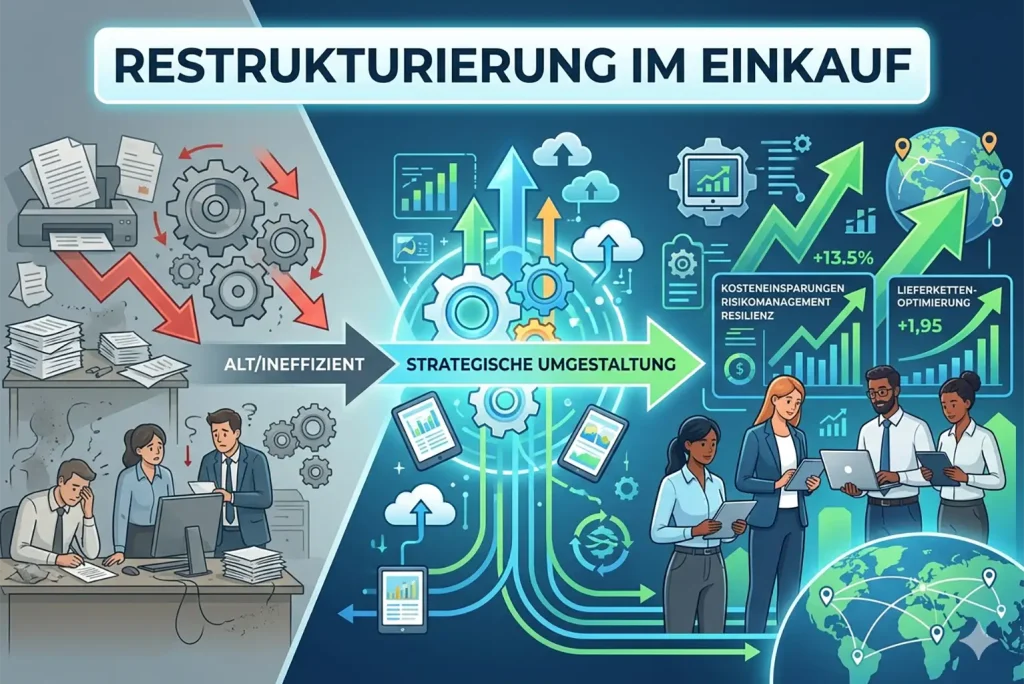
The most important point upfront: the restructuring in purchasing is transforming the department from an administrative ordering instance to a strategic value-adding partner. Through the realignment to a hybrid organisational model and data-driven processes, companies are sustainably reducing their process costs by up to 25 %. The focus today is on the triad of digital automation, proactive risk management, and the consistent use of […]
Cyber Supply Chain Risk Management (C-SCRM)

The most important points in brief Cyber Supply Chain Risk Management (C-SCRM) is the indispensable strategy for securing modern enterprise ecosystems in 2026. As over 80 % of value-adding IT processes today rely on external cloud services, software libraries, and global hardware, the internal firewall alone is ineffective. C-SCRM identifies and minimises risks throughout a product's entire lifecycle. Those who […]
Supply Chain Act (LkSG): Obligations & Tips 2026

Das Wichtigste in Kürze: Im Jahr 2026 ist das Lieferkettengesetz (LkSG) für alle Unternehmen mit mindestens 1.000 Mitarbeitern das zentrale regulatorische Fundament. Die fortschreitende Integration der EU-Richtlinie (CSDDD) verschärft die Haftungsregeln massiv und macht Klimaschutzziele zum festen Bestandteil der Sorgfaltspflichten. Wer Sanktionen von bis zu 2 % des weltweiten Umsatzes vermeiden will, muss jetzt von […]
Cost Breakdown in Purchasing: Definition, Methods & Analysis
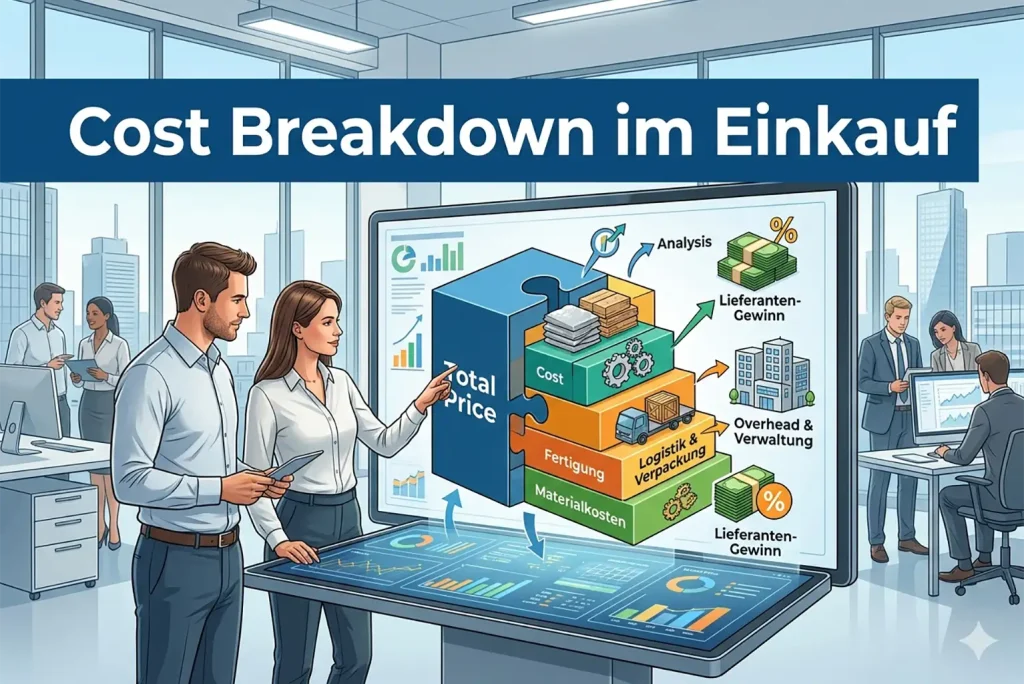
First things first: Cost Breakdown (CBD) is the most precise tool in strategic purchasing for opening up the „black box“ of supplier prices. Instead of accepting flat-rate final prices, all cost factors such as material, labour, overhead and profit are analysed individually. The goal is fact-based negotiation, the identification of inefficiencies and - essential in 2026 - the [...]
Design to cost: mastering cost optimisation in engineering
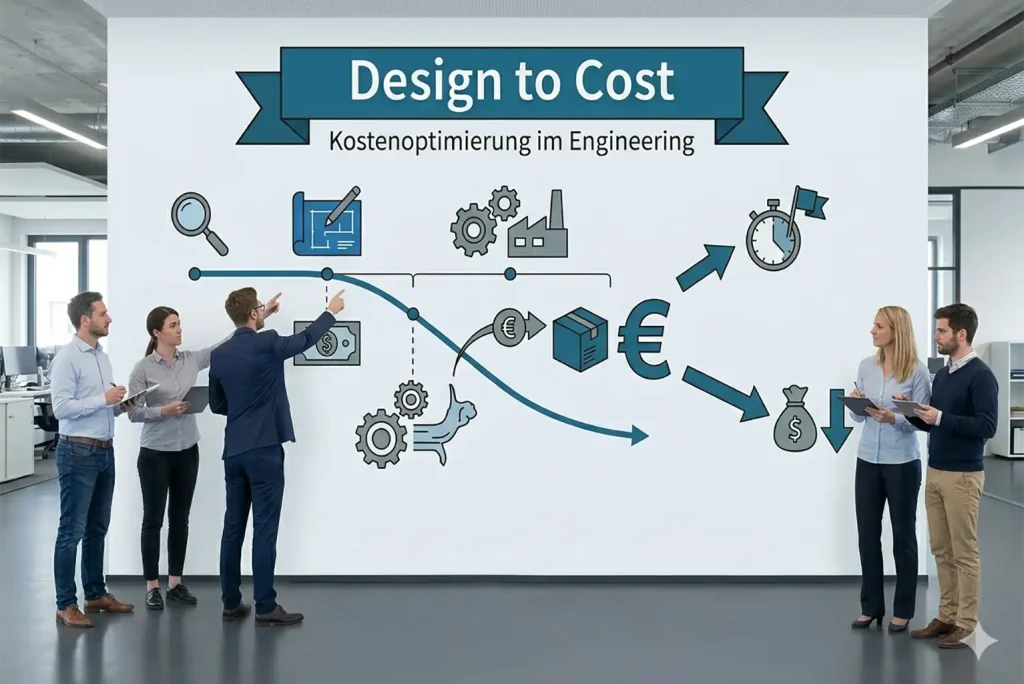
First things first: Design to Cost (DtC) is not a classic cost-cutting programme, but a proactive development method in which the target costs are treated as a fixed technical requirement - on a par with performance or quality. As up to 80 % of the product costs are already determined in the concept phase, DtC is the most effective tool for minimising margin losses due to subsequent corrections [...].
Transparency in Purchasing: Increase Control, Maximise Profit

The most important thing upfront: transparency in procurement is far more than just clean data management – it is the financial backbone of any successful company. Those who digitally record their spending flows (Spend Analysis) and supplier relationships seamlessly eliminate expensive blind flights and uncontrolled purchases (Maverick Buying). In practice, this leads to a reduction in direct costs by an average of 10 […]
Improving Supplier Relationship Management (SRM): Strategies, Processes and Tools

The most important thing first: efficient supplier management will be the backbone of global competitiveness in 2026. To sustainably improve SRM, companies must shift their focus from short-term purchasing prices to long-term value creation and risk resilience. The three decisive levers for this change are: data-driven transparency through AI-powered analyses, highly differentiated segmentation based on strategic relevance […]
TCO in Purchasing: Definition, Calculation & Strategic Advantages
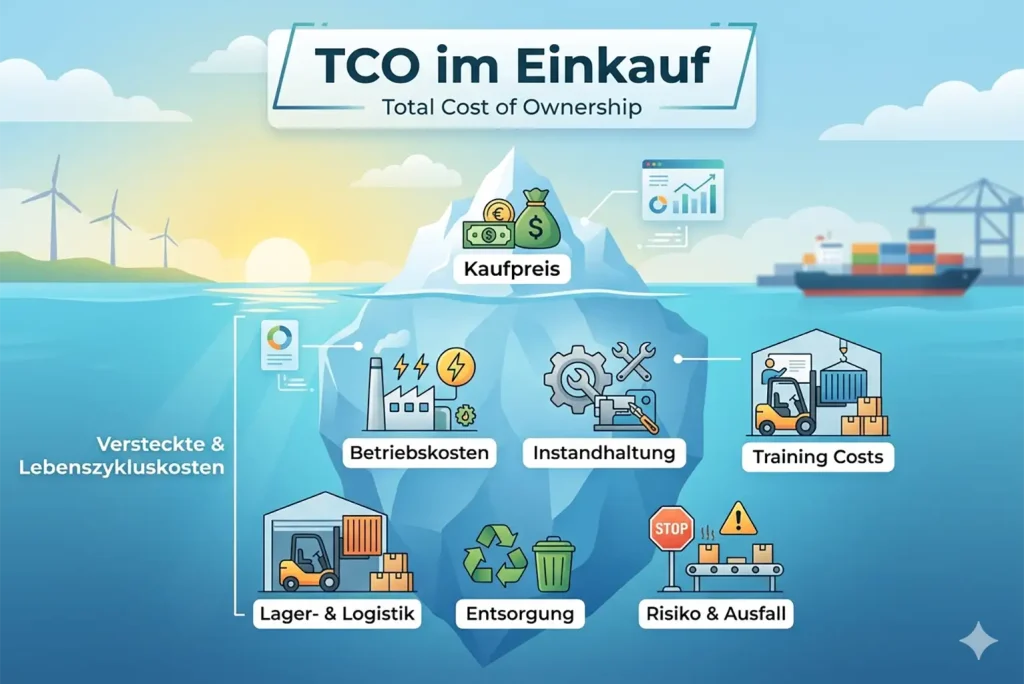
The most important thing to start with: the consistent application of TCO in purchasing is the key to real cost efficiency in 2026. Instead of just looking at the purchase price, this method reveals all costs over the entire life cycle of a product. Those who master TCO (Total Cost of Ownership) reduce long-term expenditure by up to 30 %, minimise hidden […]
C-item management: Reduce tail spend in procurement
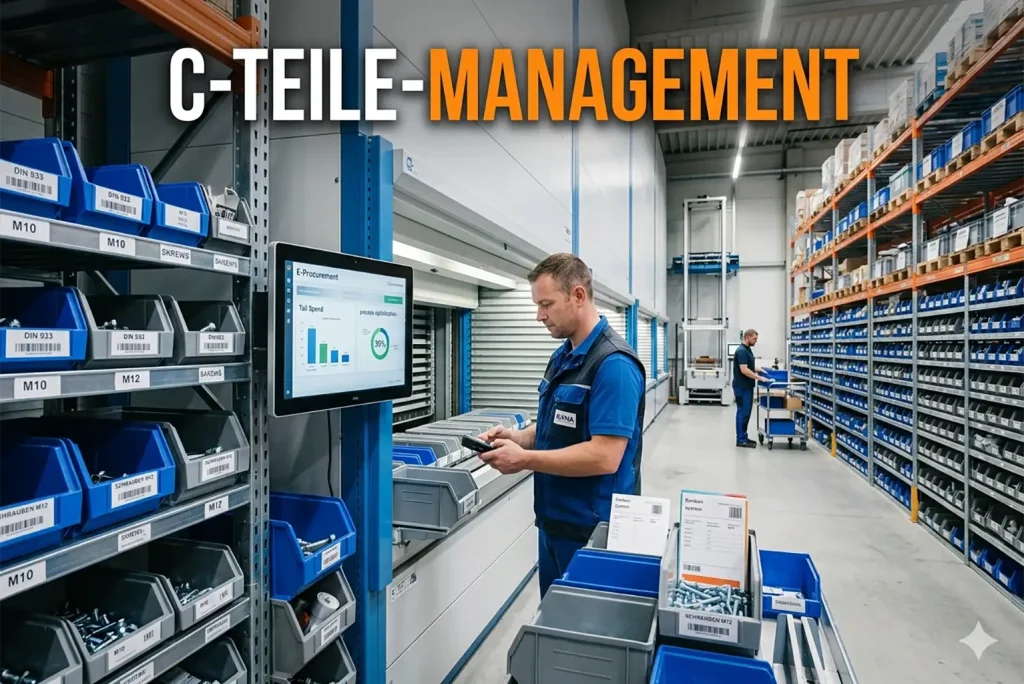
The most important points in brief: Efficient C-item management is the most important lever for reducing purchasing process costs. While C-items only account for about 20 % of purchasing volume in terms of value, they often cause over 80 % of the administrative effort and SKU complexity. Through digitisation (e-procurement), radical supplier bundling, and outsourcing to system partners, tail spend (uncontrolled small expenses) can be drastically reduced [...]
Data Analysis in Purchasing: A Guide to More Efficient Procurement
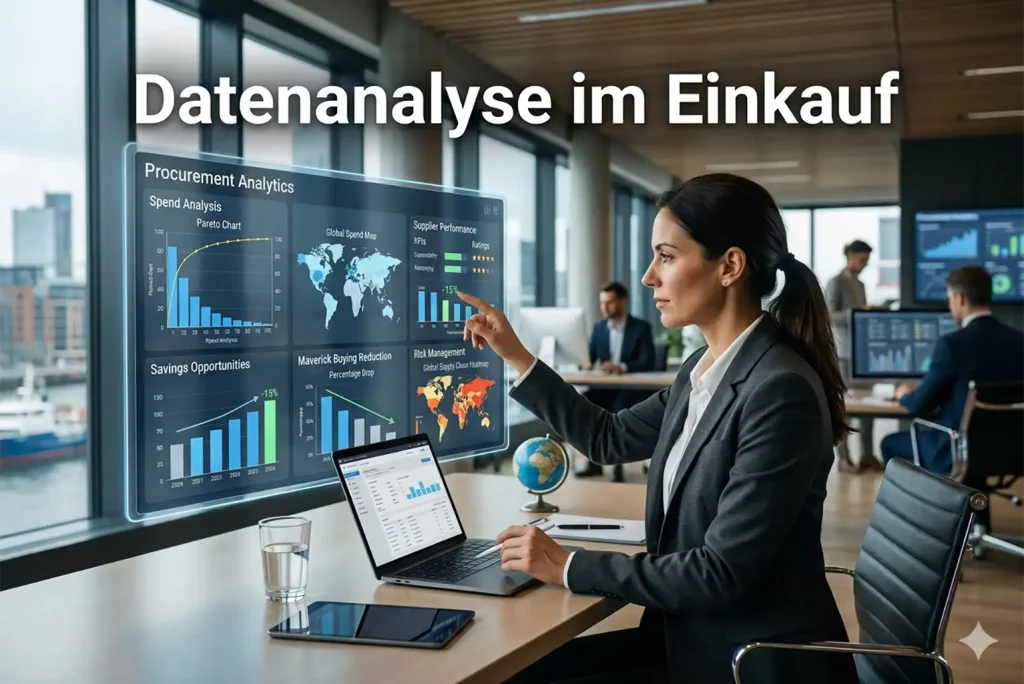
First things first: In 2026, data analysis in procurement (Procurement Analytics) will be the decisive lever for transforming purchasing from a purely administrative processing hub into a strategic value driver. Through systematic analysis of supplier, price, and process data, potential savings of 10–20 % can be realised, supply chains made more resilient, and costly „Maverick Buying“ (uncontrolled [...]