


Agentic AI in Supply Chain Management: The Future of the Supply Chain
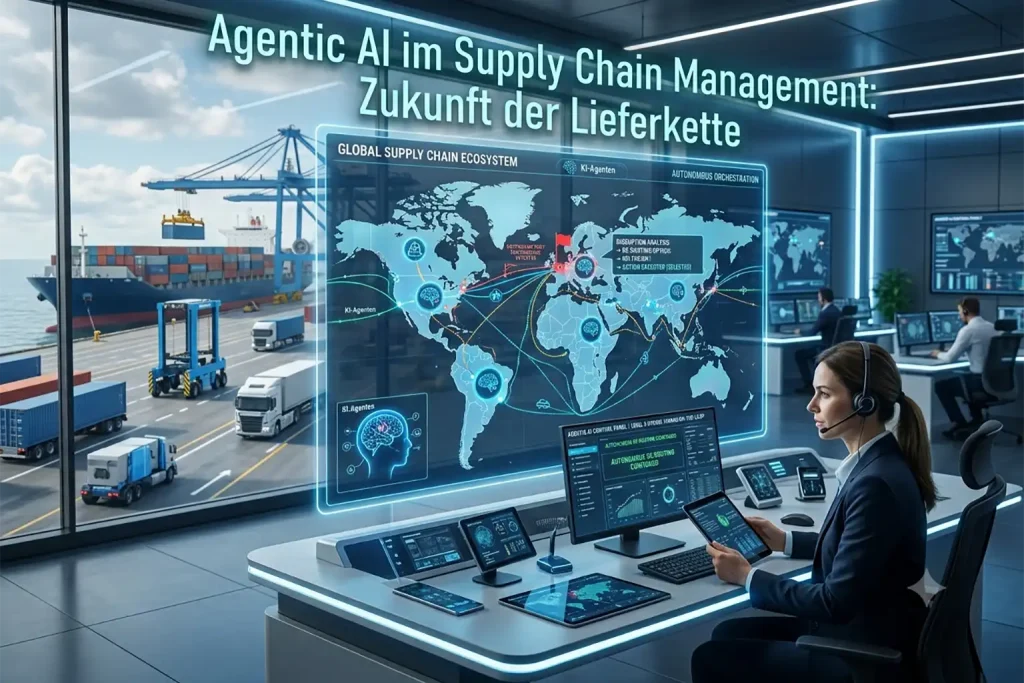
First and foremost, the use of Agentic AI in supply chain management heralds the transition from reactive and purely predictive supply chains to autonomously operating ecosystems. In contrast to conventional or purely generative AI, AI agents not only analyse data, but also independently make targeted decisions and execute actions within ERP and SCM systems. The most successful implementation pattern […]
What does a purchasing consultant do in the medium-sized business sector?

A purchasing consultant for SMEs optimises procurement processes, reduces material and service costs, and secures supply chains. The highly efficient hybrid model combines strategic consulting (cost analysis, process design) with operational implementation (interim management, direct negotiation). SMEs therefore benefit from immediate liquidity effects and a future-proof, digitised purchasing organisation, without building up permanent, expensive headcounts. Key facts about the purchasing consultant for SMEs […]
What are the benefits of AI for buyers? Opportunities and advantages

The most important points at a glance: The targeted use of AI for buyers is radically transforming procurement management from an administrative function to a strategic value creator. The main benefits lie in the automation of routine tasks, precise forecasting of market and price developments (predictive sourcing), and real-time risk analysis of supply chains. Companies that implement these technologies reduce their operational process costs by [...]
AI in Supply Chain Management: 5 Benefits for Businesses
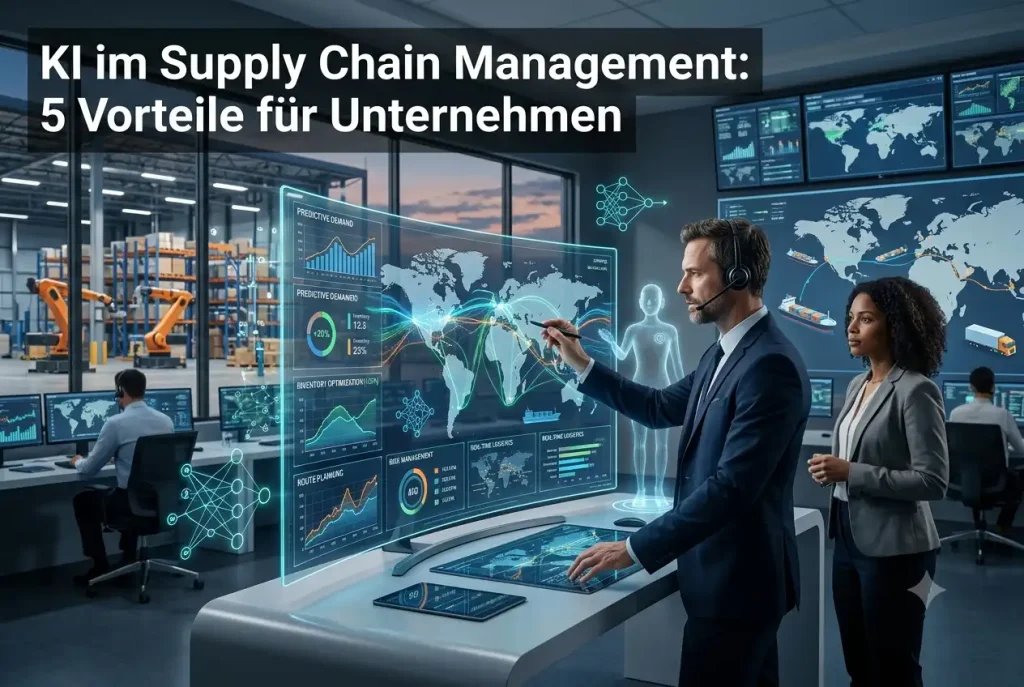
Artificial intelligence (AI) is no longer an optional tech feature in modern supply chains, but rather the decisive lever for global competitiveness. The key takeaway upfront: By using AI in supply chain management (SCM), companies are transforming their supply chains from reactive cost centres into proactive, resilient value-creation networks. The biggest lever lies in the hybrid model: The symbiosis of algorithmic precision and [...]
Optimising Transport Costs: Strategies & Practical Tips
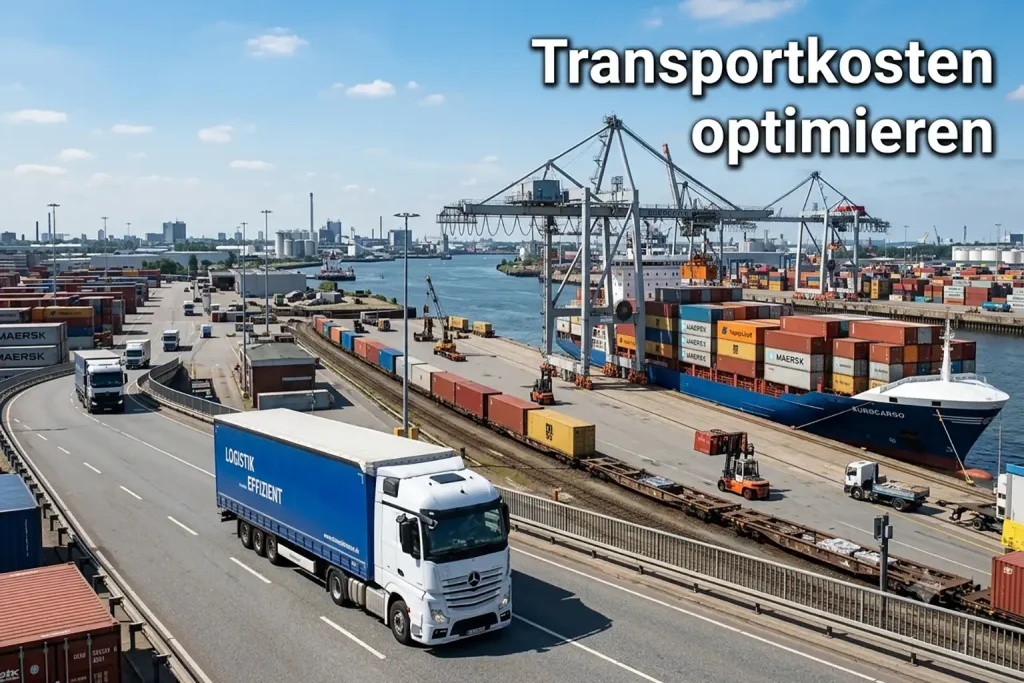
The short version first: In view of rising toll charges, CO₂ levies and a persistent shortage of drivers, transport costs can no longer be reduced simply by putting pressure on service providers to lower their prices. The key to a sustainable cost reduction of 15 % to 25 % lies in a hybrid approach: the intelligent consolidation of loads (LTL to FTL), digital route optimisation using a modern TMS, and […]
LLMs in Procurement: The Future of AI-Powered Sourcing
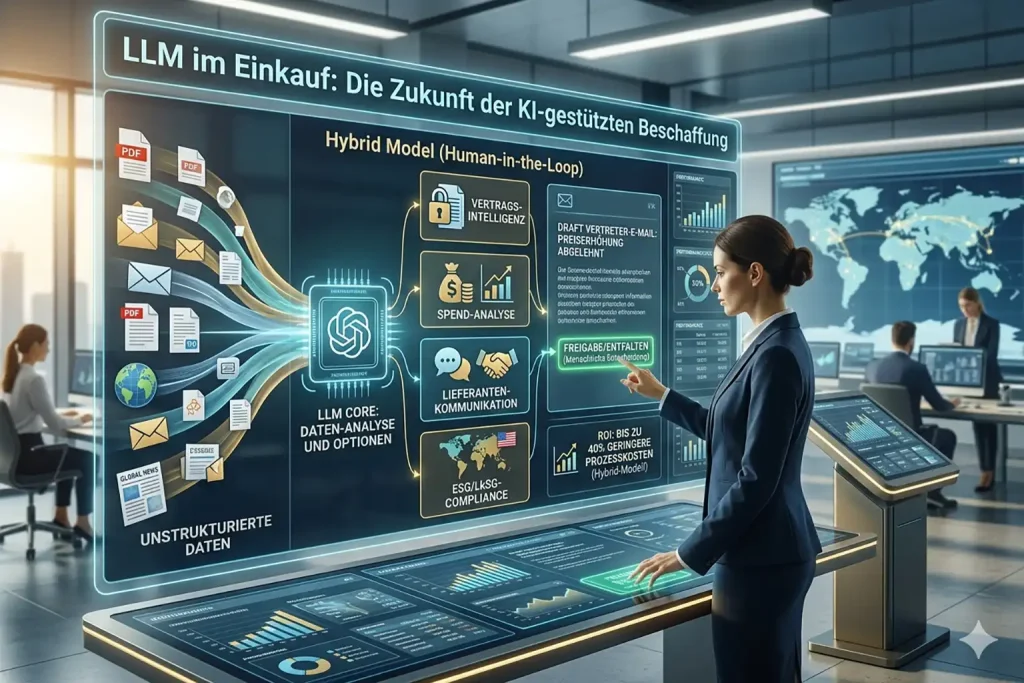
Large Language Models (LLMs) optimise procurement by analysing unstructured data in seconds, reviewing contracts, and automating supplier communication. Maximum ROI is achieved through a hybrid model: AI handles time-consuming data processing and pattern recognition, while the human procurement professional retains strategic decision-making expertise and relationship management. Companies that strategically integrate LLMs now are reducing their […]
AI in Small and Medium-sized Enterprises: Opportunities, Strategies & Practical Examples
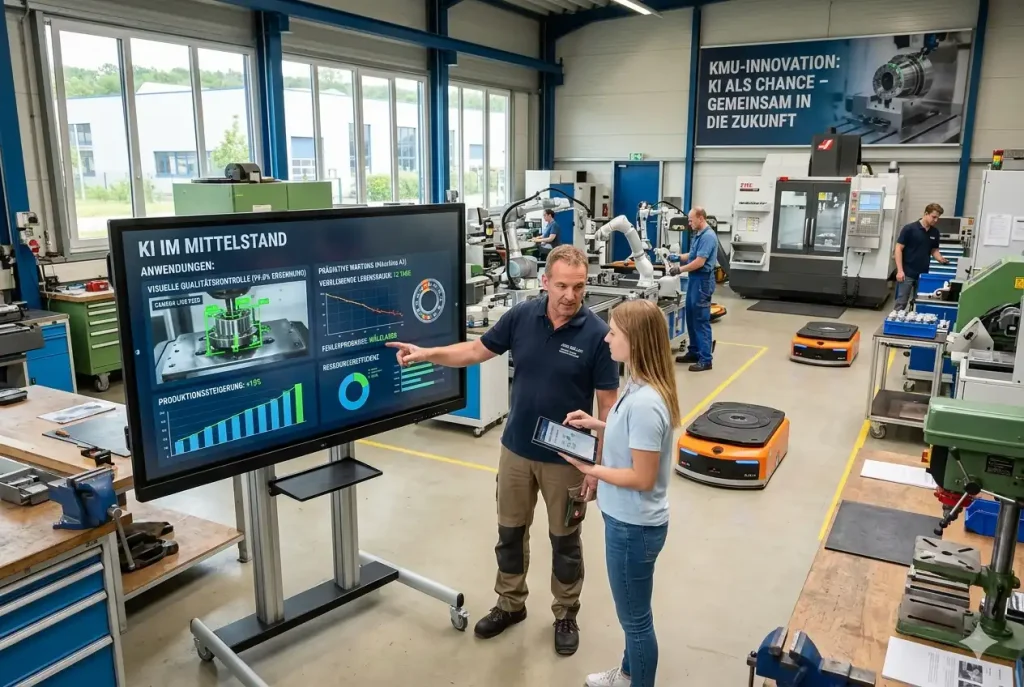
First things first: the successful implementation of AI in SMEs is no longer the exclusive preserve of tech giants, but rather the key driver of future competitiveness for small and medium-sized enterprises. Those who strategically integrate AI into existing processes today – be it in administration, production or customer service – can reduce process costs by up to 30 % […]
GEO in Procurement: The Future of AI-Powered Sourcing

Attention business decision-makers and B2B providers: Classic web search is rapidly losing ground in the B2B sector. As strategic purchasers increasingly rely on generative AI tools and specialised procurement bots for supplier selection and market analysis, the focus in marketing is shifting from classic Search Engine Optimisation (SEO) to Generative Engine Optimisation (GEO). Those who ignore the relevance of GEO in procurement now and […]
AI consulting in procurement for businesses

First things first: artificial intelligence in procurement is not merely a matter of software, but a strategic transformation project. Companies that use specialist AI consultancy services overcome critical data silos (such as unstructured free text and duplicate supplier records) up to 60% faster, ensure regulatory compliance under the EU AI Act, and achieve demonstrable reductions in cost of goods sold and process costs. Those who implement […]
Quality Management in Purchasing: Definition, Goals & Processes
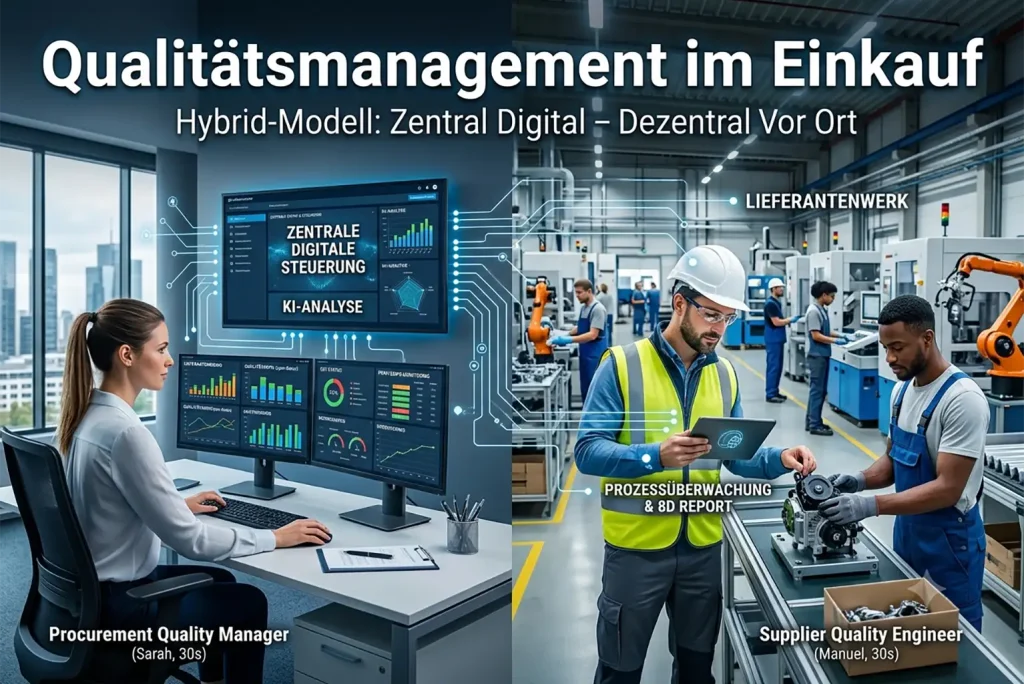
First and foremost: Strategic quality management (QM) in procurement secures product quality at the very root of the supply chain, minimises production downtime and drastically reduces total cost of ownership. By employing a hybrid model – the combination of central digital control and agile, decentralised implementation on-site – companies can react flexibly to market changes and […]