




Procurement Risk Management: Methods for Stable Supply Chains
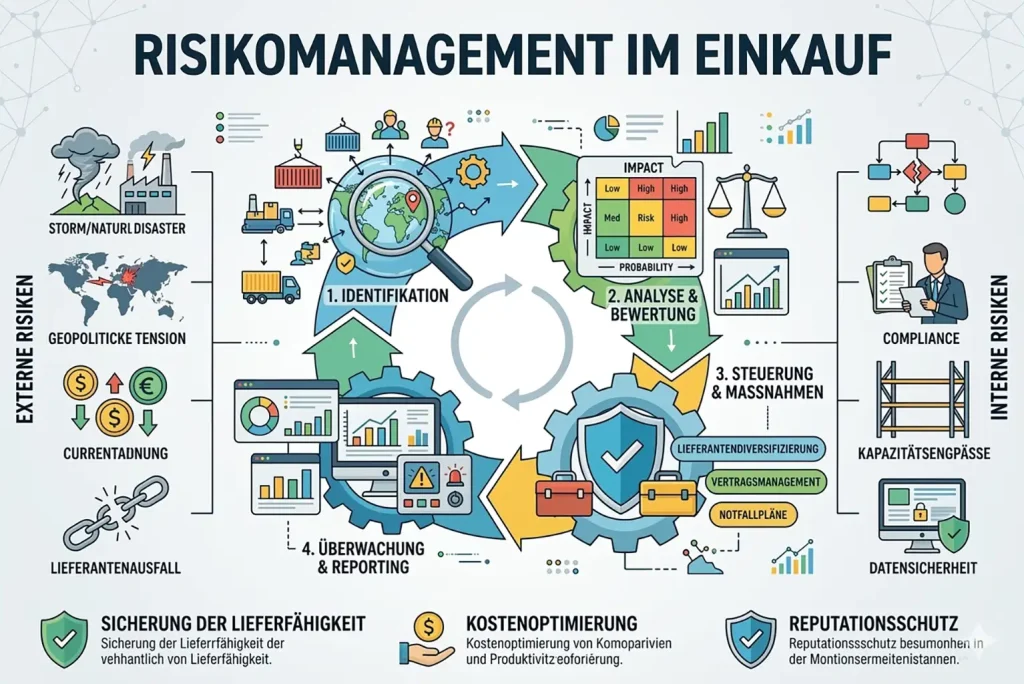
The key points in brief: Effective procurement risk management is based on the continuous identification, assessment, and control of potential hazards throughout the entire value chain. In 2026, mere cost optimisation (just-in-time) will have been replaced by the principle of resilience (just-in-case). Those who rely on multi-sourcing, digital early warning systems, and transparent Tier-n monitoring will secure decisive competitive advantages. […]
Transformation in Purchasing: Strategies for Modern Procurement
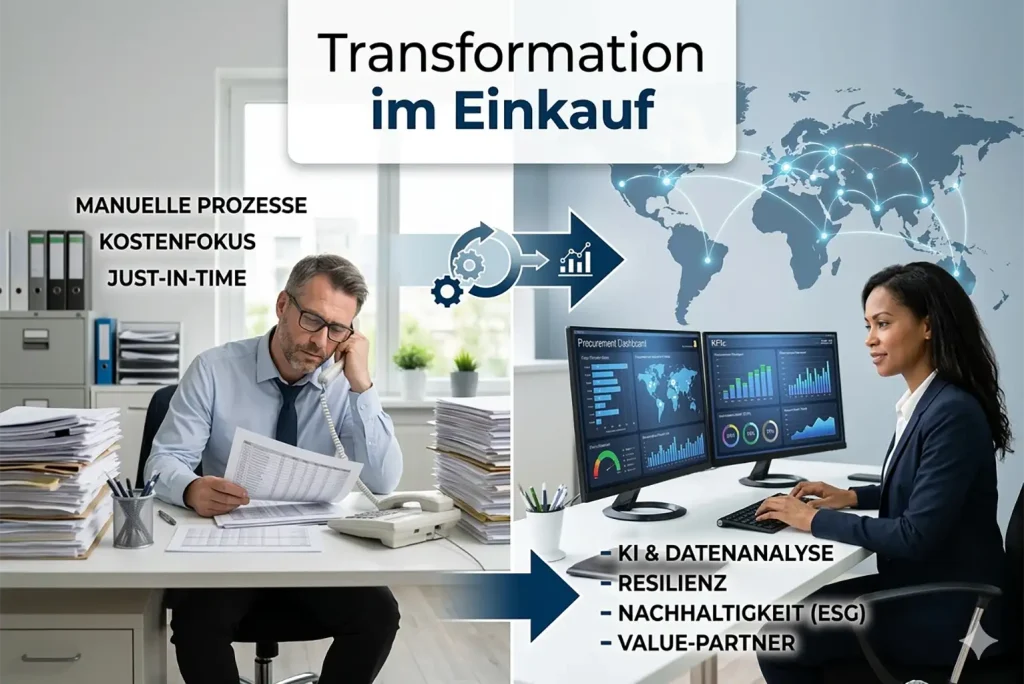
In an era of global supply chain disruptions, political instability, and rapid technological change, procurement in 2026 is no longer a mere „order taker.“ It has become the strategic heart of resilient organisations. This guide will walk you through the essential phases to successfully master the transformation from a cost centre to a value creator. Key takeaways: […]
Sustainability in procurement: integrating ESG in sourcing

The most important things at a glance True sustainability in purchasing will be the foundation of crisis-proof corporate management in 2026. By integrating ESG (Environmental, Social, Governance) criteria, companies not only fulfil legal obligations such as the LkSG or the CSDDD, but also actively minimise supply chain risks. Those who strategically invest in green and fair procurement processes today secure access […]
Reducing purchasing costs – practical tips for SMEs
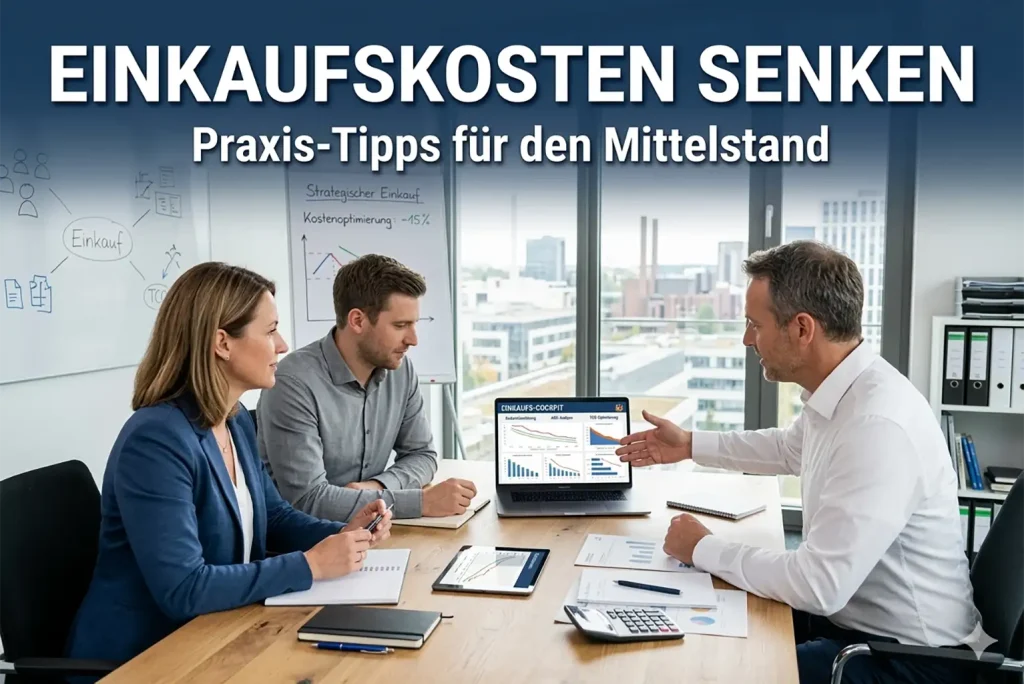
The most important thing first: Medium-sized companies can reduce their purchasing costs by switching from pure order management to strategic supply management. The most effective levers are the bundling of needs, a consistent ABC analysis, and the use of value engineering. Those who also digitise their C-parts processes reduce process costs by up to 30% % and increase net return on earnings […]
Interim Procurement Manager: Experts for Temporary Sourcing
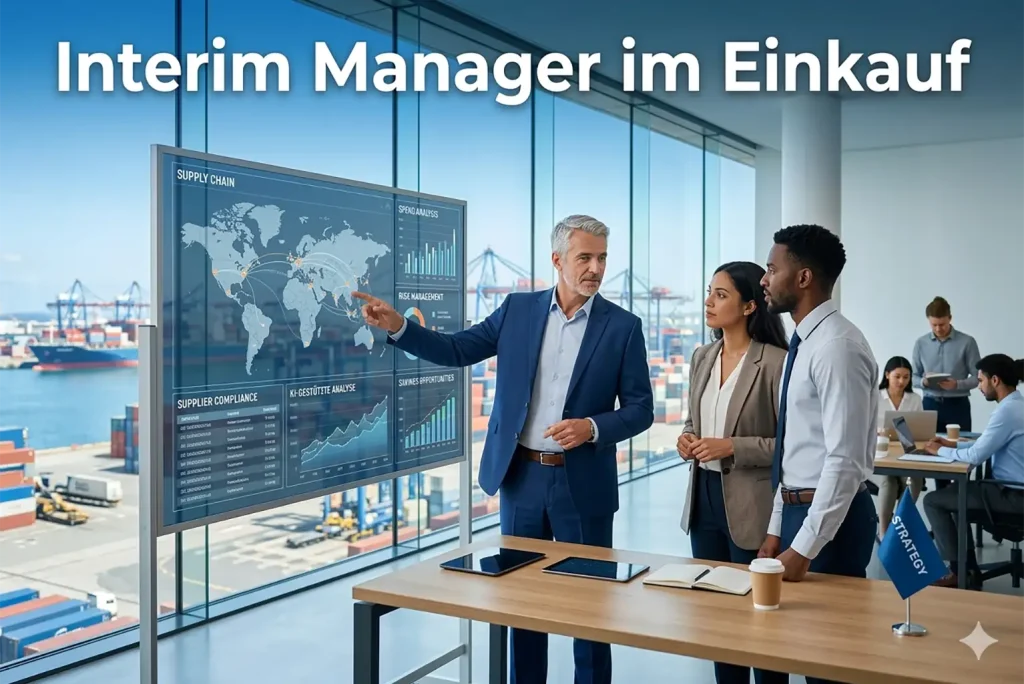
Interim procurement managers close critical skill gaps within 48 to 72 hours. They offer companies immediate expertise for crisis management, digital transformation (AI integration), or filling C-level vacancies. As they implement operations rather than just advise, their costs are typically recouped within a few months through measurable savings and stabilised supply chains. Key Facts […]
Digitalisation in Procurement: The Guide for Companies 2026
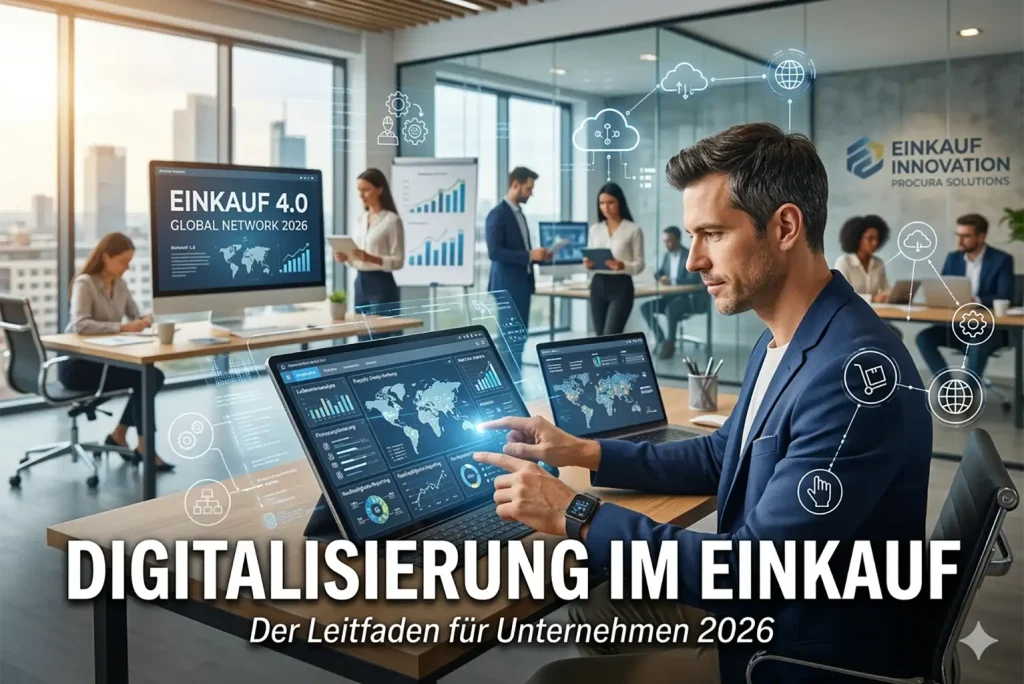
The most important points in brief: By 2026, digitalisation in purchasing will be the fundamental prerequisite for resilience and ESG compliance. Through the use of autonomous AI agents and real-time data analysis, purchasing is transforming from an administrative cost centre into a strategic value creator. Companies that fully digitalise now will reduce their process costs by up to 40 % and proactively secure their supply chains […]
Process optimisation in procurement
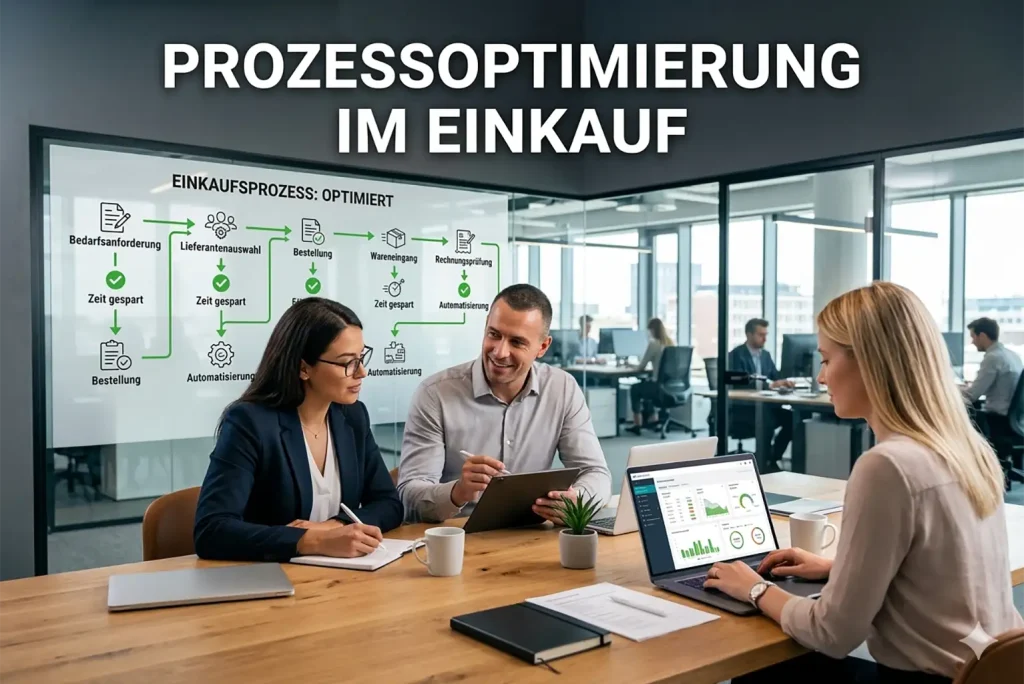
The most important thing first: In 2026, process optimisation in procurement will be the crucial lever for reducing operating costs by up to 30% and massively increasing supply chain security. Through the consistent transformation of manual, error-prone processes towards AI-supported workflows, procurement will evolve from an administrative processor to a strategic value-adding partner. Those who do not today pursue […]
Strategic Purchasing Consultancy: Reduce Costs and Increase Efficiency
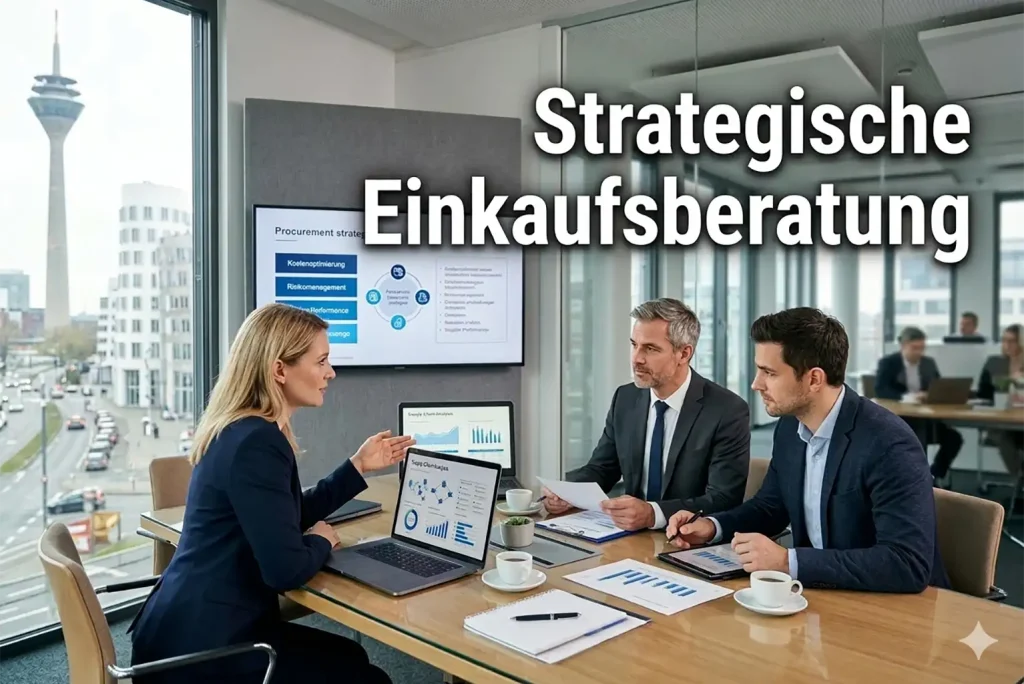
The most important point first: strategic purchasing consultancy is the instrument that transforms purchasing from an administrative department into a central profit generator. Through methods such as Kraljic analysis, targeted change management, and process automation, material costs can be sustainably reduced by 5% % to 15% %. In 2026, this approach will secure margins against volatile markets and […]
Optimise Logistics: Sustainably Reduce Supply Chain Costs
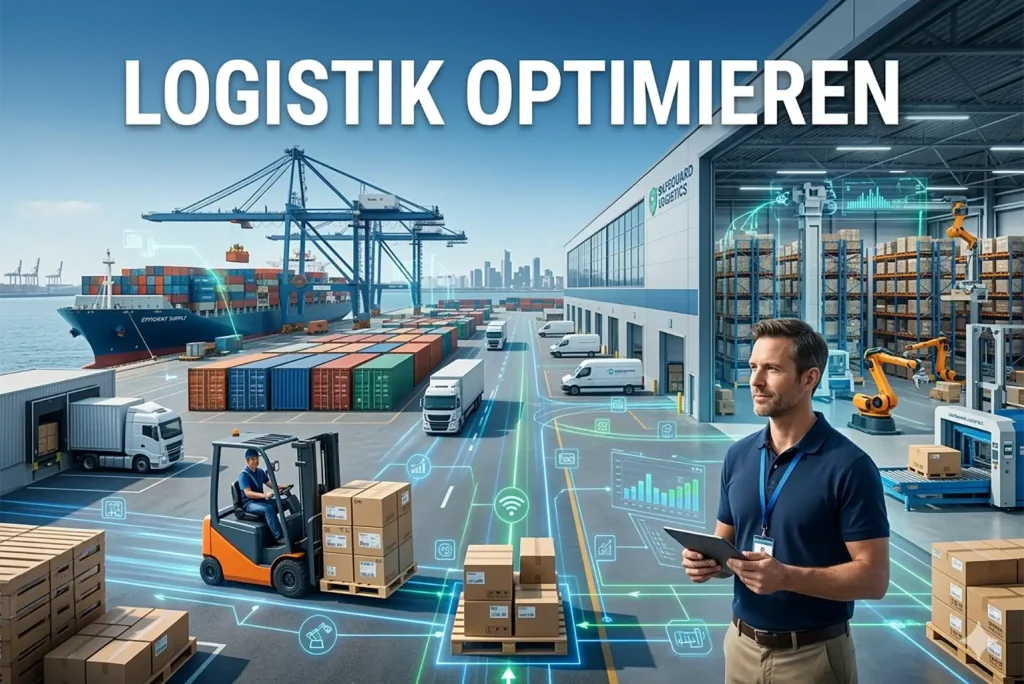
The decision to scrutinise one's own supply chain is far more than a mere cost-saving measure today – it is a strategic necessity for the resilience and future viability of your company. In a market characterised by volatile energy prices, a shortage of skilled workers and fragile supply chains, logistics functions as the central nervous system. Those who [… ] in this area
AI in Procurement: Definition, Methods & Tools
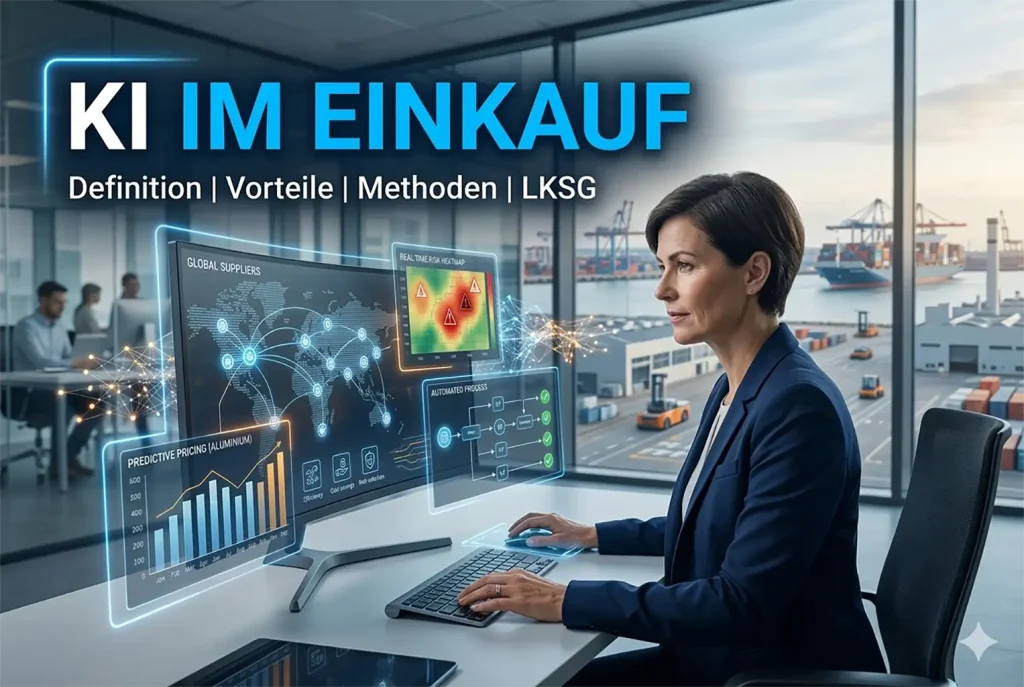
The most important thing to note first: AI in procurement will be the backbone of resilient and highly profitable companies in 2026. The symbiosis of human negotiation expertise and AI-supported data processing can reduce process costs by up to 40 %. The decisive advantage today no longer lies solely in efficiency, but in AI's ability to predict global risks and negotiate […]